The Hidden Cost of "Good Enough" Listing Photos
Professional agents use professional photographers
Every agent wants the best possible outcome for their client. That's the job. So when it comes to one of the few parts of a listing an agent can fully control, the photos, it's worth asking: are we giving our clients the advantage the data says they deserve?
What the Numbers Actually Say
The research on professional photography is remarkably consistent across major studies, and the differences aren't small.
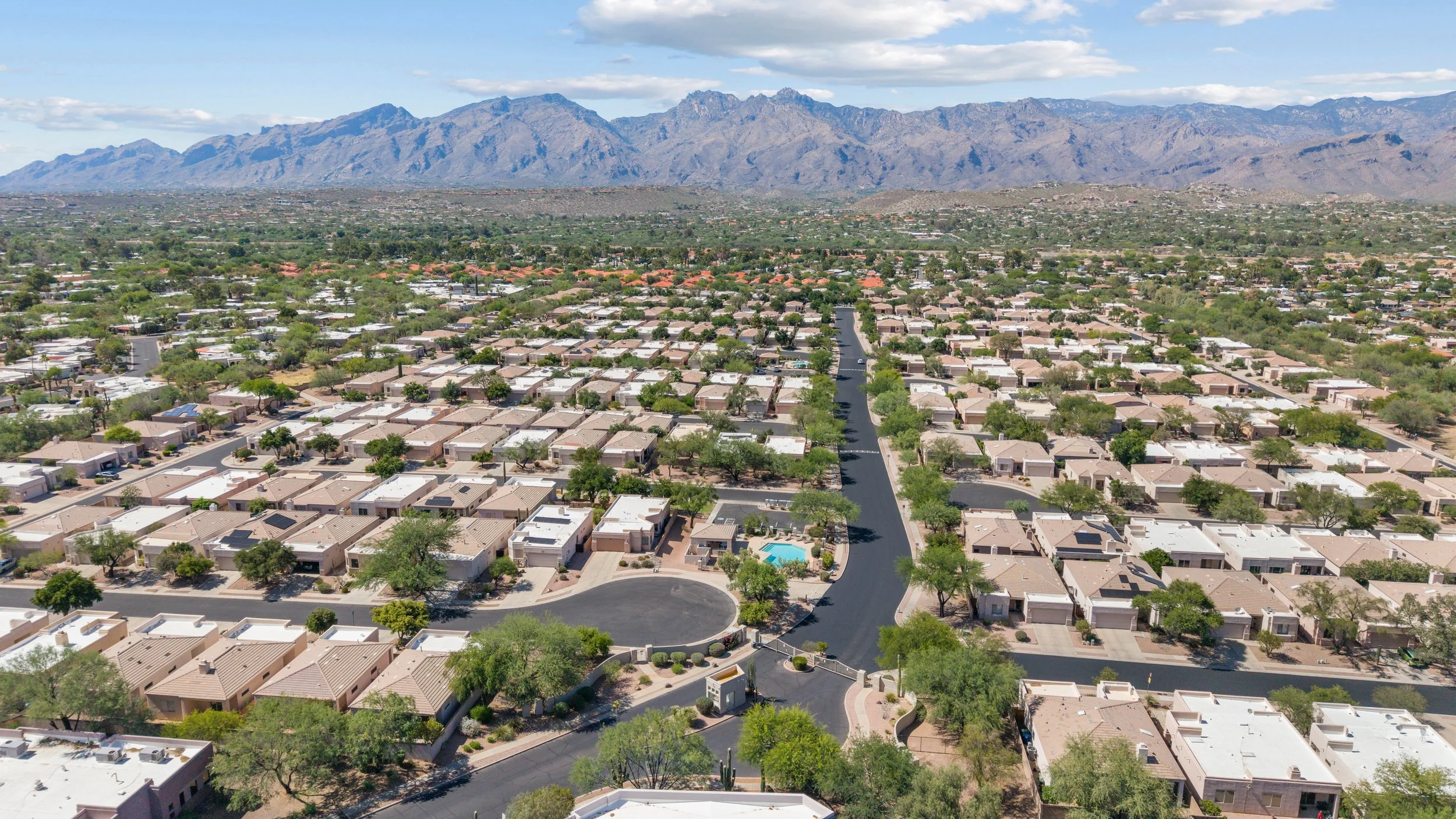
Real estate listings that include professional photography sell 32% faster than those without, and homes with aerial photos sell 68% faster. In a Redfin analysis of more than 100,000 listings, homes photographed with professional cameras sold for between $934 and $116,076 more than those shot with point-and-shoot or phone cameras. Those same listings were viewed 61% more often online, and listings shot with DSLR cameras commanded a 47% higher asking price per square foot.
Other research has found that homes with professional photography spend an average of 89 days on market compared to 123 days for listings with amateur photos, and have an 84% higher chance of selling within the listing period.
And it starts before a buyer ever sees a property in person. According to NAR, 85% of homebuyers consider photos the most critical factor when evaluating a property online, and 100% of buyers begin their search online. The photos aren't a supporting detail. For most buyers, they're the first and most important impression a listing makes.
Why This Is a Fiduciary Conversation, Not Just a Marketing One
Every licensed agent owes their client a fiduciary duty, the legal and ethical obligation to act in the client's best financial interest. That duty shapes how agents negotiate, advise on pricing, and present offers.
It also extends to how a property is marketed, because marketing directly affects the outcome a seller receives.
When the data consistently shows that professional photography correlates with faster sales and meaningfully higher sale prices, the choice of who photographs a listing stops being a stylistic preference. It becomes part of how well an agent is positioned to deliver on that duty.
This isn't about placing blame. Many agents simply haven't had the data laid out this clearly, or they assume any photos are "good enough" once a listing goes live. But when a seller is trusting their agent to maximize their return on what is often their largest asset, the photography their home is marketed with is one of the most direct levers an agent has, and one of the easiest to get right.
What "Professional" Actually Means
There's a meaningful difference between a photo taken on a phone and one taken by someone trained specifically in photography and visual communications.
At CVM Real Estate Media, that difference comes from formal training, not just equipment. Stephanie holds a Bachelor's degree in Photography, with a foundation in composition, lighting, and visual storytelling built over years of formal study. Joe holds a Bachelor's degree in Visual Communications, with training in how images communicate information, guide attention, and create an emotional response, exactly what a listing needs to do in the few seconds a buyer spends scrolling past it.
That background shows up in details that are easy to overlook but make a real difference: how a room is framed to feel larger and brighter, how light is balanced so a kitchen doesn't look washed out or too dark, how a wide-angle lens is used carefully so a room looks accurate rather than distorted, and how a series of photos is sequenced to tell the story of a home, not just document its rooms.
These aren't things a phone camera or a quick walkthrough can replicate, no matter how good the lighting is that day. It's the difference between photos that show a house, and photos that help a buyer picture themselves living in it.
The Real Comparison
Consider two identical listings, same price point, same neighborhood, same condition. One is marketed with photos taken quickly on a phone. The other is marketed with professionally composed, properly lit images from a photographer trained in visual communication.
Based on the data above, the second listing is statistically likely to be viewed more, draw more interest, spend less time on market, and sell for more money, sometimes significantly more.
For a seller, that difference can represent thousands of dollars. For an agent, it's the difference between a listing that performs the way it should and one that leaves money on the table simply because of how it was presented.
Moving Forward
None of this is meant to be a judgment of how any agent has operated in the past. Marketing standards evolve, and what counts as "good enough" has shifted significantly as more data has become available and buyer expectations have risen.
What it does mean is that professional photography isn't an upsell or an optional add-on. It's a tool that's directly tied to the outcome agents are obligated to pursue for their clients, and one of the most controllable variables in a listing's success.
If you'd like to see the difference formal training and a professional approach make, take us up on our offer: CVM Real Estate Media is offering a free photo shoot on your next listing, no strings attached. We'd love the chance to show you what we bring to the table.
Joe & Stephanie Brown | CVM Real Estate Media | (520) 461-0631 | www.cvmre.com
This post is for general informational purposes and is not legal advice. For questions regarding fiduciary obligations, consult your broker, the Arizona Department of Real Estate, or the National Association of REALTORS Code of Ethics.